You Won’t Believe What We Ate in Rural Tuscany
Tucked away from the tourist trails, Tuscany hides more than sun-drenched hills and vineyards—it holds culinary secrets whispered only by locals. I stumbled upon a world where meals begin with “nonna’s recipe” and end with homemade grappa under a canopy of stars. This isn’t just dining; it’s a soulful connection to land, tradition, and slow living at its finest. Far from crowded trattorias and polished tour itineraries, the true heart of Tuscan cuisine beats in quiet villages, family-run farms, and unmarked farmhouses where food is not a product, but a legacy. These are places where every dish tells a story, every ingredient has a name, and every table feels like home.
The Allure of Off-the-Beaten-Path Tuscany
Rural Tuscany offers a version of Italy that time has gently preserved. Beyond the well-trodden paths leading to Siena, Florence, and San Gimignano lies a quieter, more intimate landscape—one where stone farmhouses perch on rolling hills, cypress trees line dusty roads, and the rhythm of life follows the seasons rather than the clock. These are not postcard-perfect backdrops staged for visitors, but living communities where agriculture, craftsmanship, and culinary tradition remain central to daily existence. The allure of this region lies not only in its beauty but in its authenticity. Here, food is not curated for tourists; it is lived, shared, and deeply rooted in generational knowledge.
What sets rural Tuscany apart is its resistance to homogenization. While major cities adapt menus to international tastes, the countryside holds firm to ancestral ways. Meals unfold slowly, often beginning with antipasti made from preserved vegetables harvested months earlier, continuing through handmade pasta dressed in meat-based sauces, and ending with fruit from the orchard and wine from the family’s own vines. This is not fast food or fusion cuisine—it is food as continuity. The absence of large crowds allows for deeper engagement, whether it’s learning how to shape pici by hand from a village elder or joining neighbors in pressing olives during the autumn harvest.
Moreover, the intimacy of these settings fosters genuine human connections. In a small village near Montalcino, I was invited to dinner after stopping at a local alimentari to buy bread. The shopkeeper, noticing my interest in the regional cheeses, simply said, “You should come tonight—my sister is cooking ribollita.” There was no reservation, no website, no price list—just an open door and a place set at the table. These moments, born of curiosity and kindness, are what make off-the-beaten-path Tuscany unforgettable. They remind us that travel at its best is not about checking destinations off a list, but about being welcomed into lives different from our own.
Finding Hidden Culinary Gems: Where to Look
Discovering these authentic dining experiences requires a shift in mindset—from seeking convenience to embracing discovery. The best meals in rural Tuscany are rarely found on restaurant review sites or highlighted in guidebooks. Instead, they emerge through observation, conversation, and a willingness to wander without a strict agenda. Local grocery stores, bakeries, and weekly markets often serve as informal hubs where information is exchanged. A simple question like “Dove mangiano i locali?” (Where do locals eat?) can lead to invitations that no app could replicate.
One of the most reliable ways to uncover hidden culinary spots is to pay attention to community spaces. Church bulletin boards frequently advertise sagre—local food festivals celebrating seasonal ingredients such as truffles, chestnuts, or new wine. These events, often held in village piazzas or school courtyards, offer a chance to taste regional specialties prepared in large copper pots by volunteers from the town. They are not performances for tourists; they are celebrations of place, funded by ticket sales that support local parishes or volunteer fire departments. Attending one feels less like dining out and more like participating in a shared ritual.
Regional food maps published by provincial tourism offices can also guide travelers toward lesser-known agriturismi and family-run osterias. Unlike national chains or urban franchises, these establishments operate on a small scale, often opening only a few nights a week. Some rely entirely on word-of-mouth, with no online presence at all. Social media groups focused on Tuscan gastronomy—particularly Facebook communities dedicated to local food traditions—can provide real-time updates about pop-up dinners, seasonal menus, or private cooking gatherings. Patience and flexibility are essential; arriving with a fixed expectation may lead to disappointment, but arriving with openness often leads to surprise.
Dining Like a Local: The Heart of Tuscan Specialty Food
To dine like a local in rural Tuscany is to embrace simplicity, seasonality, and reverence for ingredients. The region’s cuisine is not defined by complexity, but by depth—flavors built over time through slow cooking, careful sourcing, and deep familiarity with the land. Dishes like pappa al pomodoro, a humble bread and tomato stew, taste profoundly different when made with sun-ripened heirloom tomatoes from a garden and stale pane toscano soaked in homemade broth. The difference isn’t just taste—it’s intention.
Many of the most distinctive dishes are rarely seen outside the home or small village gatherings. Cinghiale ragù, a rich sauce made from wild boar hunted in the surrounding forests, simmers for hours until the meat falls apart into tender strands. It is typically served over pappardelle, a broad ribbon pasta that captures the thick sauce perfectly. Similarly, lampredotto—a Florentine street food made from the fourth stomach of a cow—is virtually absent from rural tables but replaced by other offal-based preparations, such as coratella (lamb’s heart, lungs, and liver) sautéed with herbs and served with roasted potatoes. These ingredients reflect a culture of nose-to-tail eating, where nothing is wasted and every part of the animal has its place in the kitchen.
Vegetables play an equally vital role. In late summer, markets overflow with zucchini, eggplants, peppers, and tomatoes, all destined for dishes like schiacciata di pomodoro (a flatbread topped with crushed tomatoes and olive oil) or verdure in umido (vegetables stewed in tomato sauce). In winter, the focus shifts to legumes and hearty greens—cannellini beans in fagioli alla fiorentina, cavolo nero (Tuscan kale) in ribollita, a twice-boiled soup that originated as a way to repurpose leftover minestrone. These dishes are not just meals; they are expressions of resilience, born from centuries of farming life where abundance and scarcity shaped the way people ate.
Agriturismi: More Than Just Farm Stays
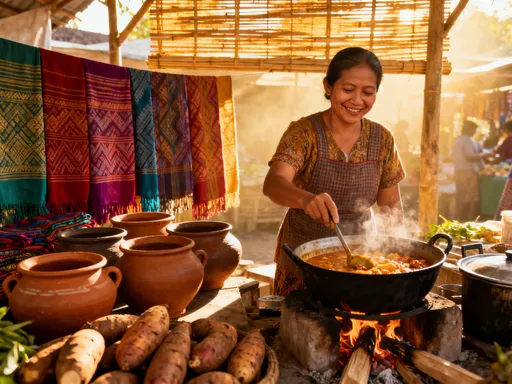
Agriturismi are the cornerstone of authentic Tuscan food experiences. These working farms, often family-owned for generations, welcome guests not just for lodging but for immersion in rural life. Unlike commercial resorts, most agriturismi operate on a small scale, offering a handful of rooms and meals made entirely from on-site produce. Staying at one means waking up to the scent of fresh milk, hearing roosters crow at dawn, and seeing vegetables harvested just hours before they appear on your plate.
What makes agriturismi exceptional is their ability to turn dining into an educational and emotional experience. Many offer hands-on activities that connect guests directly to the food cycle. I participated in an olive harvest at a farm near Lucca, where we gathered fruit from ancient trees under crisp autumn skies, then watched as it was pressed into golden oil still warm from the mill. That evening, we drizzled it over bruschetta and toasted the season with a glass of young Chianti. Other farms host truffle hunts in the misty woodlands, followed by a lunch featuring the day’s finds shaved over fresh tagliatelle. Some even offer cooking classes led by nonnas who teach the art of shaping pasta by hand or preserving vegetables for winter.
Beyond personal enrichment, agriturismi play a vital role in sustaining rural economies and preserving biodiversity. By cultivating heirloom crops, raising heritage livestock, and resisting industrial farming methods, these farms maintain ecological balance and cultural continuity. They also provide a model of sustainable tourism, where visitors contribute directly to local livelihoods. When you eat at an agriturismo, you’re not just enjoying a meal—you’re supporting a way of life that might otherwise disappear.
Secret Suppers and Community Tables
Some of the most memorable meals in rural Tuscany happen in the most unexpected places. A converted barn lit by string lights. A village piazza transformed into an open-air dining hall during a sagra. A private home where a grandmother opens her kitchen to strangers through a local cooperative. These are not staged events, but organic gatherings rooted in community and generosity. The magic lies not only in the food but in the atmosphere—a sense of belonging that transcends language and culture.
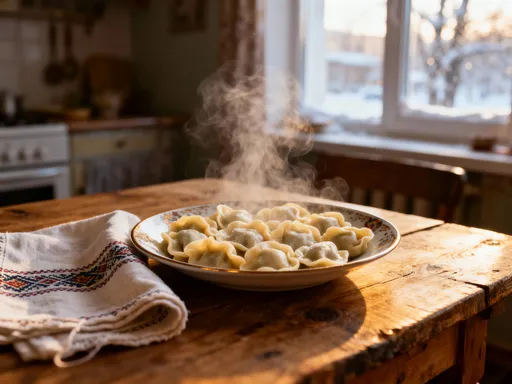
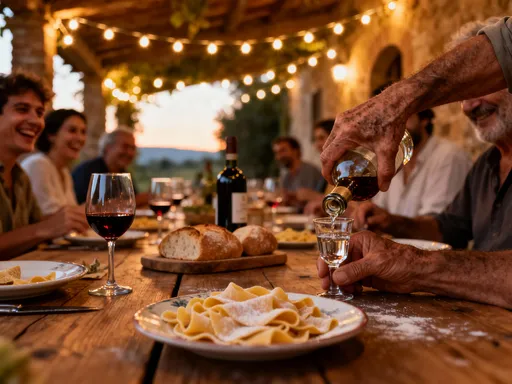
I attended one such supper in a hilltop village near Pienza. The event was announced only on a handwritten poster at the post office: “Cena Contadina – 20 euro a persona.” Upon arrival, I found a long wooden table set under a grape arbor, surrounded by neighbors of all ages. The meal was served family-style: crostini with chicken liver pâté, handmade gnocchi in sage butter, roasted pork with rosemary, and a dessert of cantucci with Vin Santo. There was no menu, no waiter, no rush. Instead, there were stories, laughter, and multiple rounds of wine poured freely from carafes. Children ran between tables, elders shared memories of past harvests, and guests were treated not as customers but as guests.
Platforms like EatWith and Airbnb Experiences have made it easier for travelers to access these intimate dinners, but the most authentic ones still happen through local networks. Some villages organize seasonal feasts to celebrate the new olive oil, the chestnut harvest, or the feast day of the patron saint. These events are open to all, though they require effort to find and sometimes a willingness to navigate limited English. Yet the reward is immeasurable: a chance to sit at a shared table, break bread with strangers, and feel, however briefly, like part of something enduring.
Navigating Language and Etiquette with Respect
Entering these intimate culinary spaces requires more than curiosity—it demands respect. While many younger Italians speak English, older generations in rural areas often do not. A few basic Italian phrases can go a long way in building rapport. Saying “Buongiorno” when entering a shop, “Grazie mille” after a meal, or “Che buono!” when complimenting the food shows appreciation and effort. Even a simple “Parla inglese?” (Do you speak English?) delivered with a smile can open doors.
Understanding local customs is equally important. In Tuscany, meals are social events that unfold over time. Arriving exactly on time may be seen as early; many locals arrive 15 to 30 minutes after the stated hour, especially for informal gatherings. It is customary to wait for the host to invite you to sit or begin eating. If invited to a home, bringing a small gift—such as a bottle of wine from your region, a box of chocolates, or fresh flowers—is a thoughtful gesture. Avoid discussing politics, religion, or personal finances at the table; instead, focus on food, family, and the beauty of the countryside.
Equally crucial is the attitude you bring. Humility and genuine interest are more valuable than confidence or assertiveness. Asking questions like “Come si prepara questo piatto?” (How is this dish prepared?) or “Dove avete raccolto questi funghi?” (Where did you gather these mushrooms?) shows respect for the knowledge being shared. Avoid treating the experience as a performance or photo opportunity. These are not shows for visitors—they are real moments in real lives. When you approach them with reverence, you are far more likely to be welcomed in.
Making It Happen: Planning Your Own Hidden Food Journey
Planning a culinary journey into rural Tuscany begins with thoughtful preparation. Choose base towns known for strong local ties and access to surrounding countryside. Montepulciano, with its medieval streets and renowned Vino Nobile, serves as an excellent starting point for exploring southern Tuscany. Suvereto, nestled in the Maremma region, offers access to organic farms and coastal olive groves. Smaller hubs like Cortona, Anghiari, or Pitigliano provide a balance of charm and connectivity without the crowds of larger destinations.
Renting a car is essential for flexibility. Public transportation in rural areas is limited, and the best experiences often lie down narrow gravel roads marked only by hand-painted signs. A vehicle allows you to visit weekly markets, reach remote agriturismi, and stumble upon village sagre advertised only locally. Plan your trip around key agricultural seasons: late October to November for the olive harvest, autumn for truffle hunting, late summer for grape picking, and spring for asparagus and artichokes. These times not only offer freshest ingredients but also the highest chance of participating in community events.
Build connections before arrival. Contact local enotecas (wine shops) that specialize in regional producers—they often know of small dinners or tastings not advertised online. Reach out to cooking schools that partner with family farms; many offer half-day experiences that include market tours, cooking lessons, and shared meals. Consider joining a food-focused tour led by a local guide who values authenticity over spectacle. Above all, leave room for spontaneity. Some of the best meals happen when plans change—when a rain delay leads to an invitation indoors, or a wrong turn reveals a farmhouse selling fresh pecorino from the window.
Conclusion
The meals I shared in rural Tuscany were not just about flavor, though the food was extraordinary. They were about connection—between people, between generations, between land and table. They reminded me that the most meaningful travel experiences are not the ones we plan, but the ones we stumble into with open hearts. In an age of curated itineraries and picture-perfect posts, there is profound value in stepping off the map, listening to locals, and accepting an invitation to a table where no menu exists.
These hidden suppers nourish more than the body. They deepen cultural understanding, challenge assumptions, and restore faith in human kindness. They teach us that tradition is not static, but alive—passed down through hands that knead dough, voices that sing old songs, and elders who remember recipes lost elsewhere. To seek out these moments is to travel with purpose, not just pleasure. So go beyond the vineyards and postcard views. Find the village festival, the family farm, the nonna cooking in her kitchen. Seek not just sights, but shared humanity—one secret Tuscan table at a time.