You Won’t Believe These Instagram-Perfect Spots in Graz
Graz isn’t just Austria’s second city—it’s a hidden gem bursting with color, creativity, and picture-perfect moments. I never expected such a vibrant mix of old-world charm and modern cool. From rooftop views to artsy courtyards, every corner feels like a curated photo shoot. If you’re chasing beauty with soul, not just filters, Graz delivers. Let me take you through the leisure spots that made my feed—and my heart—light up.
Why Graz? The Unexpected Allure of Austria’s Creative Capital
Graz, the capital of Styria, has long lived in the shadow of Vienna, but that’s precisely what makes it so refreshing. Unlike the grandeur and formality of Austria’s imperial capital, Graz offers a more intimate, approachable charm. It’s a city where medieval towers stand beside futuristic architecture, and where culture, sustainability, and design are not just buzzwords—they’re lived experiences. In 2011, Graz was designated a UNESCO City of Design, a recognition that celebrates its innovative spirit and creative urban planning. This title isn’t just symbolic; it’s visible in the way public spaces are curated, how art blends into everyday life, and how the city embraces both tradition and transformation.
For travelers, especially those in their 30s to 50s who appreciate authenticity over spectacle, Graz is a breath of fresh air. It’s compact enough to explore on foot, yet rich enough in sights and experiences to fill several leisurely days. The city center is largely pedestrianized, making it safe and comfortable for families and those who prefer a slower pace. Cobblestone streets wind past pastel-colored buildings, hidden courtyards, and cozy cafés, inviting spontaneous detours and quiet moments. There’s no rush here—just the pleasure of discovery.
What truly sets Graz apart is its balance. It’s historic without being museum-like, modern without feeling sterile. The blend of old and new creates a visual rhythm that’s inherently photogenic. Whether you’re drawn to architecture, nature, or local culture, Graz offers layered experiences that unfold gradually. And because it’s still somewhat under the radar compared to other European destinations, you’ll find fewer crowds and more genuine interactions. It’s the kind of place where you can pause, breathe, and truly connect—with the city, with your companions, and with yourself.
Murinsel: Where Architecture Meets Instagram Magic
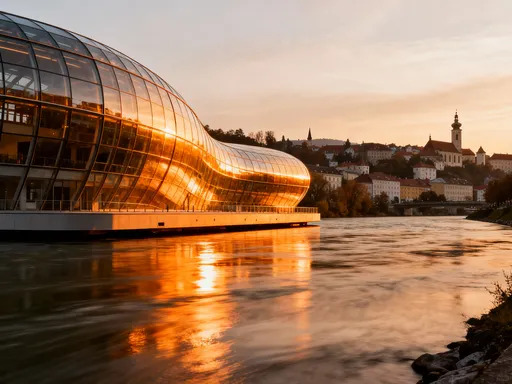
Spanning the Mur River like a silver seashell, the Murinsel is Graz’s most iconic modern landmark. Designed by New York-based artist Vito Acconci for the city’s tenure as European Capital of Culture in 2003, this artificial island is a feat of both engineering and imagination. Composed of two semicircular platforms connected by a sweeping steel and glass walkway, the structure appears to float on the water, reflecting sunlight during the day and glowing with soft illumination at night. It’s not just a bridge or a viewing platform—it’s a living space, complete with a café, lounge area, and open-air stage, making it a hub of social and visual activity.
From a photography standpoint, the Murinsel is a dream. The curves of the walkway create natural leading lines, while the glass floor offers unique perspectives of the river below. At golden hour, when the sun dips low and bathes the city in warm light, the reflections on the water turn the entire scene into a shimmering canvas. The best angles often come from stepping back—either from the riverbanks or nearby bridges—to capture the island in its full, sculptural glory. For more intimate shots, focus on the details: the ripple patterns in the glass, the interplay of light and shadow, or a couple sipping coffee in the lounge with the river flowing beneath them.
Timing your visit can make a big difference. Midday brings crowds, especially in summer, when locals and tourists alike gather to enjoy the open space. Early morning or late evening offers quieter moments and softer light. If you’re visiting in the evening, don’t miss the transformation after dark—the Murinsel is lit from within, creating a gentle blue glow that contrasts beautifully with the night sky. It’s also worth noting that the island is accessible year-round, and even in winter, when the riverbanks are dusted with frost, it retains its futuristic elegance. Whether you’re snapping a wide-angle panorama or a close-up detail, the Murinsel rewards attention and intention.
Kunsthaus Graz: Surrealism You Can’t Unsee
Rising like a gentle alien from the heart of the city, Kunsthaus Graz is impossible to ignore. Locally nicknamed the “Friendly Alien” for its otherworldly shape, this modern art museum is a masterpiece of biomorphic architecture. Designed by architects Peter Cook and Colin Fournier, its bulbous form is clad in blue acrylic panels that shift in tone depending on the weather and time of day. At night, the building comes alive with dynamic lighting displays, transforming it into a giant, glowing sculpture. It’s not just a place to view art—it is art, and one of the most photographed buildings in Austria.
For photographers and casual visitors alike, the Kunsthaus offers endless visual possibilities. The rippled surface of its façade creates fascinating distortions, especially when reflected in the shallow pools that surround it. These water features are particularly effective after rain, when the building appears to float in a mirror-like surface. The best photo opportunities often come from low angles or from across the plaza, where you can capture the full scale of the structure against the more traditional buildings nearby. The contrast between old and new is part of what makes this spot so compelling.
While the interior houses rotating contemporary art exhibitions, the exterior is the main attraction for most visitors. When the rooftop terrace is open to the public, it offers one of the most unique vantage points in the city—imagine photographing Graz from the “belly” of the Friendly Alien. Even when the terrace is closed, the surrounding area remains a vibrant cultural hub. The nearby Lend district buzzes with creativity, and the plaza in front of the Kunsthaus often hosts installations, pop-up events, and open-air gatherings. It’s a place where art isn’t confined to galleries—it spills into the streets, inviting everyone to engage, observe, and capture the moment.
The Schlossberg: A Hilltop Escape with Panoramic Rewards
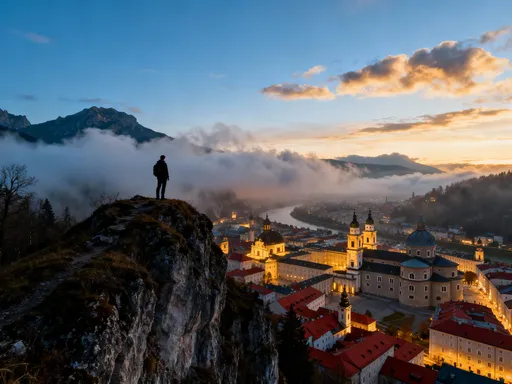
No visit to Graz is complete without ascending the Schlossberg, the forested hill that rises dramatically from the city center. Once a strategic fortress site, today it’s a green oasis offering shade, history, and some of the most breathtaking views in Austria. The hill is crowned by the iconic Uhrturm, or Clock Tower, a symbol of Graz that dates back to the 16th century. With its four faces and slightly tilted position, the tower has watched over the city for centuries, and now it serves as a perfect focal point for photographers seeking a classic Graz postcard shot.
Reaching the top is part of the experience. While some opt for the scenic climb up winding forest paths, others take the Schlossbergbahn, a charming funicular railway that glides up the hillside with cinematic views unfolding behind you. There’s something quietly thrilling about that ascent—the city gradually spreading out below, the sound of birds replacing traffic, the air growing cooler and fresher. For those with limited mobility or traveling with children, the elevator is a welcome option that doesn’t diminish the sense of arrival.
Once at the top, the Schlossberg reveals its many layers. Beyond the Clock Tower, you’ll find ancient fortress walls, shaded groves, and open terraces perfect for a leisurely picnic or quiet reflection. The panoramic views stretch across red-tiled rooftops, church spires, and the winding Mur River. Sunset is arguably the best time to visit—when the light turns golden and the city begins to twinkle. The open-air stage area, often used for summer concerts, is an ideal spot to sit and absorb the atmosphere. Whether you’re capturing the skyline or simply soaking in the moment, the Schlossberg offers a rare blend of nature, history, and beauty that resonates deeply.
Murpark and Lendplatz: Local Life Through a Lens
If the old town shows Graz’s polished face, the Lend district reveals its creative soul. Once an industrial neighborhood, Lend has transformed into the city’s trendiest quarter, known for its street art, independent boutiques, and multicultural energy. At its heart is Murpark, a riverside park that follows the curve of the Mur River. With wide walking paths, modern sculptures, and lush greenery, it’s a favorite among locals for jogging, cycling, and weekend strolls. In summer, the park comes alive with open-air cinema nights, food trucks, and live music, creating a vibrant, inclusive atmosphere that’s perfect for candid photography.
Adjacent to Murpark is Lendplatz, home to one of Graz’s most beloved weekly markets. Every Saturday, the square fills with colorful stalls selling fresh produce, handmade crafts, organic bread, and regional specialties like pumpkin seed oil and Styrian wine. Unlike tourist-focused markets, Lendplatz feels authentic—shoppers are just as likely to be families and elderly couples as they are curious visitors. This sense of real life unfolding makes it a goldmine for storytelling photography. Capture the textures of ripe vegetables, the steam rising from a coffee cart, or the smile of a vendor arranging flowers. These are the moments that convey the warmth and rhythm of Grazian daily life.
The surrounding streets are equally photogenic. Murals cover building facades, ranging from whimsical characters to powerful social messages. Graffiti here isn’t vandalism—it’s part of the neighborhood’s identity, celebrated and curated. Boutiques, cafés, and design studios line the sidewalks, many housed in repurposed industrial buildings. The contrast between old brick walls and modern signage creates a visual texture that’s both raw and refined. For visitors, Lend offers a chance to step off the main tourist trail and experience Graz as locals do—relaxed, creative, and full of character.
Café Culture with Character: Where to Pause and Pose
In Graz, cafés are more than places to grab a coffee—they’re institutions of comfort, conversation, and quiet observation. The city’s café culture is deeply rooted in Austrian tradition, yet it has evolved to reflect contemporary tastes and aesthetics. Whether you’re looking for a vintage ambiance with velvet chairs and marble tables or a minimalist space with Scandinavian design, Graz has a café to match your mood. And for those who appreciate a beautifully presented drink or pastry, these spots are as Instagram-worthy as any landmark.
One of the most charming is Café Zerbini, located near Hauptplatz. With its elegant interior, gilded mirrors, and rich woodwork, it feels like stepping into a 19th-century salon. The coffee is expertly brewed, and the pastries—especially the apple strudel and sachertorte—are served with a side of history. It’s the kind of place where you can linger for hours, journal in hand, watching the world go by. Nearby, Café Zog and Café Sacher offer similar atmospheres with slight variations in décor and menu, each with its own loyal following.
For a more modern twist, head to Café Zitzmann or Café Zentral, where industrial-chic interiors meet artisanal coffee. These spaces often feature exposed brick, hanging plants, and carefully curated playlists, creating an ambiance that’s both cozy and stylish. The drinks themselves are works of art—lattes with intricate foam designs, colorful smoothie bowls, and seasonal specials that change with the harvest. Many of these cafés also offer outdoor seating, perfect for people-watching in the mild European climate. Whether you’re traveling solo or with family, a café break in Graz is not just a pause—it’s part of the journey, a moment to recharge and reflect.
Putting It All Together: Planning Your Visual Journey
Creating a memorable and visually rich experience in Graz doesn’t require a rigid itinerary—just a little thoughtful planning. Start your day early at the Schlossberg to enjoy the morning light and avoid crowds. After capturing sunrise views, descend into the old town and stop for breakfast at a classic café like Zerbini. From there, walk toward the Mur River and spend a couple of hours exploring the Murinsel and Kunsthaus Graz. These two landmarks are close enough to visit in sequence, and the riverside path between them offers additional photo opportunities.
In the afternoon, shift gears and head to the Lend district. Visit Lendplatz Market on a Saturday for maximum energy, or explore the area on a weekday to appreciate its quieter, more residential charm. Murpark is ideal for a midday stroll or a picnic if you’ve picked up treats from the market. As the sun begins to set, return to the Schlossberg for golden hour photography—the light at this time transforms the entire cityscape.
Graz is highly walkable, but public transportation is efficient and user-friendly if you need to cover longer distances. The city’s tram system connects major areas, and tickets are affordable and easy to purchase. If you’re staying multiple days, consider getting a Graz Card, which offers unlimited transit and discounts at museums and attractions. Most importantly, allow room for spontaneity. Some of the best photos come from unplanned moments—a hidden courtyard, a street musician performing near a fountain, or a local dog walker pausing to greet their neighbor. Let the city guide you, and you’ll find that Graz reveals its beauty not all at once, but in gentle, unforgettable layers.
Graz proves that beauty doesn’t need grandeur—just authenticity, contrast, and a little curiosity. By blending leisure with intention, every stroll becomes a story, every frame a memory. Ready to see it for yourself?