Lost in the Fairy-Tale Rocks of Göreme: A Journey Through Earth’s Most Surreal Landscape
Have you ever walked through a land that looks like it was sculpted by giants or dreamed up in a storybook? Göreme, Turkey, is exactly that place—where soft stone spires rise like ancient towers and cave dwellings whisper centuries of history. I went searching for wonder and found it in every golden sunrise over the valleys, each hidden trail, and the quiet charm of this UNESCO World Heritage site. What makes Göreme truly special isn’t just its otherworldly terrain, but how it invites discovery at every turn. It is a place where nature, time, and human resilience converge, offering travelers not only breathtaking views but a deep connection to a way of life shaped by the land itself.
Arrival in Cappadocia: First Glimpses of a Dreamlike World
As the plane descends toward Nevşehir Kapadokya Airport, the landscape below begins to reveal its secrets. Rolling hills dotted with mushroom-shaped rock formations stretch endlessly under a pale morning light. This is Cappadocia—a region forged by volcanic eruptions millions of years ago, where layers of ash and lava hardened into tuff, then slowly eroded into one of the most surreal terrains on Earth. For first-time visitors, the approach to Göreme feels less like arriving at a destination and more like stepping into another dimension.
The journey from the airport to the village of Göreme takes about forty minutes by car, winding through valleys framed by towering fairy chimneys—cone-shaped pillars crowned with stone caps that protect their softer cores from erosion. Along the way, signs of ancient habitation appear subtly: carved doorways in cliff faces, remnants of old dovecotes high above, and the occasional glimpse of a cave home still in use. These early impressions set the tone for what’s to come—a landscape shaped as much by human hands as by nature’s forces.
Göreme sits at the heart of central Turkey’s Cappadocia region, an area historically known as a crossroads between East and West. Its geological uniqueness earned it UNESCO World Heritage status in 1985, not only for its natural beauty but also for the rich cultural heritage embedded in its rocks. The soft volcanic tuff made it ideal for carving, allowing civilizations from Hittites to Byzantines to hollow out homes, churches, and entire underground cities. What strikes most travelers is how the land seems to unfold gradually—each turn revealing new layers, both literal and metaphorical, inviting deeper exploration.
This sense of gradual revelation defines the Cappadocian experience. Unlike destinations that dazzle immediately, Göreme rewards patience and curiosity. A distant rock formation may look unremarkable at first glance, but upon closer inspection reveals a network of dwellings or a centuries-old fresco hidden within. It is a place where discovery happens quietly, often when least expected, reminding visitors that some of the world’s greatest wonders are not announced with fanfare, but whispered through wind-carved stone.
Exploring the Open-Air Museum: Where History Lives in Stone
One of the most profound ways to understand Göreme’s legacy is through its Open-Air Museum, a sprawling complex of rock-cut churches and monastic cells perched on a hillside just a short walk from the village center. This site, once a thriving religious community during the Byzantine era, offers an intimate glimpse into the spiritual life of early Christians who sought refuge in Cappadocia’s remote valleys. The museum is not a building in the traditional sense, but a landscape transformed into sanctuary—a testament to faith carved directly into the earth.
Among the best-preserved structures is the Church of the Dark, or Karanlık Kilise, named for its intentionally dim interior designed to preserve the vivid frescoes lining its walls. These paintings, rendered in natural pigments, depict scenes from the New Testament—Christ’s baptism, the resurrection of Lazarus, and the ascension into heaven. The dim lighting forces visitors to pause, allowing eyes to adjust and details to emerge slowly, much like the stories themselves unfold over time. The effect is deeply meditative, evoking the quiet devotion of the monks who once prayed here.
Nearby, the Apple Church (Elmalı Kilise) stands out for its dome adorned with a large red apple-like symbol, believed to represent the Tree of Knowledge. Its walls are covered in intricate biblical narratives, painted with expressive figures whose eyes seem to follow the observer. The craftsmanship speaks to a community that valued both artistry and spiritual instruction, using images to teach scripture to those who could not read. Each church tells a different story, not only of religious belief but of adaptation—how people shaped their sacred spaces to suit the available rock, climate, and social needs.
Another notable site within the complex is the Snake Church, so named for a fresco depicting Saint George battling a serpent. This imagery reflects the blending of Christian symbolism with older Anatolian myths, illustrating how belief systems evolved over centuries. The presence of multiple chapels, dormitories, and even a refectory shows that this was not merely a place of worship but a self-sustaining monastic settlement. Visitors often remark on the stillness that lingers in these spaces—an echo of centuries of prayer and contemplation. Walking through the Open-Air Museum is not just an act of sightseeing; it is an immersion into a living history, where faith and survival were carved side by side into the very stone.
Hiking the Love Valley Trail: Nature’s Masterpiece Unfolds
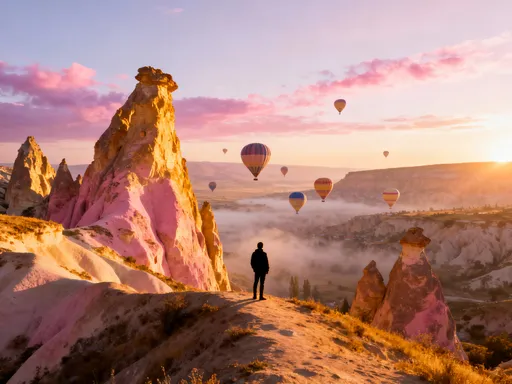
For many, the most unforgettable experience in Göreme begins before sunrise, on the winding path through Love Valley. This narrow gorge, flanked by towering fairy chimneys, is renowned for its striking rock formations—some resembling delicate spires, others taking on shapes that have earned the valley its romantic name. While the geology is entirely natural, formed by wind and water erosion over millennia, the human imagination inevitably finds meaning in the curves and contours of the stone. Yet beyond any symbolism, what captivates hikers is the sheer visual drama of the landscape bathed in dawn’s golden light.
The trail typically starts from the southern edge of Göreme and stretches about three kilometers round-trip, with moderate elevation changes and well-maintained paths. Early morning is the ideal time to hike—not only for the cooler temperatures but for the magical quality of light that transforms the valley. As the sun rises above the horizon, it casts long shadows and paints the tuff cliffs in soft hues of pink, orange, and gold. The interplay of light and texture creates a constantly shifting panorama, making every photograph feel like a painting come to life.
What makes this hike particularly special is the sense of seclusion it offers, despite its popularity. Even during peak tourist seasons, the narrow passages and branching side trails allow for moments of solitude. The quiet is broken only by the rustle of wind through low shrubs and the occasional chirp of birds nesting in crevices above. For families and solo travelers alike, walking through Love Valley becomes a meditative experience—a chance to slow down and absorb the grandeur of a landscape that feels both ancient and alive.
From a geological standpoint, the formations are composed of relatively soft volcanic tuff, capped by harder basalt stones that protect the pillars beneath from rapid erosion. Over thousands of years, this differential weathering has sculpted the distinctive cone shapes seen throughout Cappadocia. Love Valley, in particular, showcases some of the most dramatic examples, with clusters of tall, slender spires rising like sentinels from the valley floor. Park rangers and local guides emphasize the importance of staying on marked trails to preserve these fragile structures, reminding visitors that even a small footprint can accelerate erosion in such delicate environments.
Discovering Hidden Courtyards and Cave Dwellings
While the Open-Air Museum and scenic trails draw much of the attention, some of the most authentic experiences in Göreme lie tucked away in its narrow alleyways and quiet courtyards. Beyond the main roads, the village unfolds into a labyrinth of troglodyte homes—dwellings carved directly into the rock face, many of which have been inhabited for generations. These cave houses are not relics of the past but active parts of daily life, where modern families live in harmony with centuries-old architecture.
What surprises most visitors is how livable these homes truly are. The thick tuff walls provide natural insulation, keeping interiors cool in summer and warm in winter—an ingenious adaptation to the region’s extreme temperatures. Many homes feature carved stone furniture, including beds, shelves, and even seating areas, minimizing the need for additional furnishings. Ventilation shafts, carefully positioned during construction, ensure a steady flow of fresh air, while small windows filter sunlight without compromising privacy.
Some families have opened their homes to guests through boutique cave hotels or guesthouses, offering overnight stays that blend comfort with historical authenticity. Staying in one of these accommodations provides a rare opportunity to live, however briefly, as locals once did—falling asleep to the sound of silence, waking to soft light filtering through arched doorways. Hosts often share stories passed down through generations, recounting how their ancestors used certain rooms for storage, cooking, or shelter during harsh winters.
The multi-level design of many dwellings reflects a practical response to limited space. A single family compound might include separate levels for sleeping, cooking, and animal husbandry, connected by narrow staircases carved into the rock. In some cases, homes extend deep into the mountainside, forming interconnected networks that once allowed entire communities to live underground during times of conflict. Today, while few rely on full subterranean living, the legacy remains visible in the way architecture continues to shape community life. This continuity—between past and present, tradition and tourism—gives Göreme its unique character, where heritage is not displayed behind glass but lived every day.
Soaring Above: A Hot Air Balloon Ride at Dawn
No visit to Göreme is complete without witnessing its landscape from the sky. At 5:30 a.m., while the village still sleeps, the fields just outside town come alive with activity. Brightly colored balloon envelopes lie sprawled across the grass, slowly inflating as burners roar to life. Passengers gather in small groups, wrapped in jackets against the morning chill, their faces lit by the flickering flames. Within minutes, the first balloons begin to rise, lifting gently into the pre-dawn darkness like glowing lanterns ascending into the heavens.
By the time the gondola lifts off, the sky has begun to lighten, revealing a breathtaking spectacle: dozens of balloons rising in unison above the fairy chimneys, their shadows stretching across the valleys below. From this vantage point, the full scale of Cappadocia’s geological wonder becomes apparent. The patchwork of valleys—Love Valley, Rose Valley, Red Valley—unfolds beneath like a living map, each carved by centuries of wind and water. The patchy morning mist clings to the lower elevations, adding a dreamlike quality to the scene.
The flight itself lasts about an hour, during which pilots navigate using subtle changes in wind direction at different altitudes. The silence between burner bursts is profound—only the occasional call of a shepherd below or the distant crow of a rooster breaks the stillness. It is a moment of pure perspective, where the concerns of daily life seem to dissolve in the vastness of the landscape. Many passengers describe the experience as spiritual, not in a religious sense, but in the way it reconnects them to something larger than themselves.
Scientifically, the early morning hours offer the most stable flying conditions due to calm winds and minimal thermal activity. The region’s unique topography creates predictable airflow patterns, making it one of the safest and most reliable places in the world for hot air ballooning. Operators follow strict safety protocols, with experienced pilots and regular equipment checks ensuring a secure experience for all ages. For families, couples, and solo adventurers alike, the balloon ride is more than a tourist attraction—it is a memory etched in light, silence, and the quiet majesty of floating above one of Earth’s most surreal landscapes.
Savoring Local Flavors: Food as Cultural Discovery
Journeying through Göreme is not only a visual and tactile experience but a culinary one as well. The region’s cuisine reflects its agricultural roots, with dishes shaped by seasonal harvests, local ingredients, and centuries-old traditions. Meals are not rushed affairs but moments of connection—between host and guest, past and present, land and table. One of the most iconic dishes is testi kebab, a rich stew slow-cooked in a sealed clay pot that is dramatically cracked open at the table. The ingredients—lamb, tomatoes, peppers, and herbs—are layered inside, then baked over fire, allowing flavors to meld in a way that modern cookware cannot replicate.
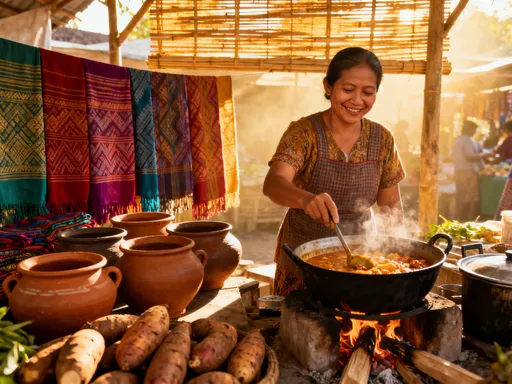
Another staple is gözleme, a hand-rolled flatbread filled with spinach and cheese, potatoes, or minced meat, then cooked on a griddle until golden and crisp. Often prepared by women in family-run guesthouses or village kitchens, the process is as much a performance as it is a meal. Watching the dough being stretched and filled offers insight into the care and skill embedded in everyday cooking. Paired with a glass of ayran, a refreshing yogurt drink, or a cup of apple tea—a regional favorite—gözleme becomes a simple yet deeply satisfying repast.
Dining in a cave restaurant enhances the sensory experience, with low lighting, stone walls, and the gentle hum of conversation creating an intimate atmosphere. Many establishments source ingredients directly from nearby farms—carrots, apricots, and honey are among the region’s specialties. Seasonal menus reflect the rhythms of the land, with spring bringing fresh herbs and wild greens, and autumn offering roasted vegetables and preserved fruits. Even dessert tells a story: künefe, a warm cheese pastry soaked in syrup and topped with shredded phyllo, originated in the broader Anatolian region and has become a beloved treat in Cappadocia.
Meals often begin with a spread of meze—small plates of dips, pickles, and olives—encouraging sharing and conversation. Hosts may invite guests to try their hand at kneading dough or grinding spices, turning dinner into an interactive cultural exchange. In these moments, food transcends nourishment; it becomes a bridge between strangers, a way of understanding a place through taste, touch, and tradition. For the 30- to 55-year-old traveler—often balancing family, work, and personal fulfillment—such experiences offer not just pleasure but renewal, a reminder that joy can be found in the simplest acts of breaking bread together.
Beyond Göreme: Connecting with Nearby Theme Areas
While Göreme stands as the heart of Cappadocia’s tourist trail, the surrounding region offers equally compelling destinations that enrich the overall journey. A short drive away lies Uçhisar Castle, the highest point in the area, carved entirely into a massive rock formation. Unlike traditional fortresses, this was a natural stronghold expanded by human hands, with tunnels and rooms extending deep underground. From its summit, panoramic views stretch across multiple valleys, providing orientation and context for the broader landscape. It is a place where geology and defense strategy intersect, offering insight into how communities once protected themselves in this open terrain.
Another highlight is Paşabag Valley, also known as Monks Valley, famed for its密集 rock formations and triple-headed fairy chimneys. This area was once a retreat for hermit monks seeking solitude, and traces of their presence remain in the small cells carved into the cliffs. The trail here is less crowded than Love Valley, making it ideal for those seeking quiet reflection. Wildflowers bloom in spring, adding bursts of color to the otherwise earth-toned scenery. Local guides often share legends associated with the site, blending history with folklore in a way that brings the past vividly to life.
For those interested in craftsmanship, the town of Avanos, located along the Kızılırmak River, is renowned for its pottery tradition dating back to Hittite times. Red clay from the riverbed has been used for thousands of years to create functional and decorative ceramics. Visitors can try their hand at the potter’s wheel under the guidance of local artisans, many of whom are descendants of long lines of craftsmen. Watching a lump of clay transform into a symmetrical vessel is both mesmerizing and grounding, a tactile reminder of human creativity.
Practical considerations enhance the experience: renting a car offers flexibility, though guided tours provide valuable context and ease of navigation. The best times to visit are spring (April–June) and autumn (September–October), when temperatures are mild and crowds thinner. Early mornings and late afternoons not only avoid peak heat but also offer the best light for photography. By extending the journey beyond Göreme, travelers gain a fuller appreciation of Cappadocia as a living cultural landscape—one where nature, history, and daily life are inseparable.
Why Göreme Stays With You Long After You Leave
Göreme does not fade from memory like a fleeting postcard image. It lingers—in dreams, in conversations, in the way ordinary landscapes suddenly seem less extraordinary by comparison. Its impact lies not in any single moment, but in the accumulation of small wonders: the coolness of cave walls against warm skin, the taste of fresh gözleme shared with a smiling host, the silence of a balloon drifting above the clouds. It is a place that engages all the senses and, in doing so, leaves an imprint on the soul.
What endures most is the realization that beauty and resilience often grow from the same soil. The people of Cappadocia did not merely survive in this rugged terrain—they thrived, carving homes, sanctuaries, and communities into stone. Their legacy teaches a quiet lesson: that adaptation is not compromise, but creativity. In a world that often values speed and convenience, Göreme invites slowness, attention, and presence. It asks travelers to look closely, to step carefully, and to listen—to the wind, to history, to the stories embedded in every rock.
For women in their thirties to fifties, many of whom navigate complex roles as caregivers, professionals, and seekers of meaning, Göreme offers a rare kind of restoration. It is not escape, but reconnection—to nature, to heritage, to oneself. The journey there is not about checking destinations off a list, but about opening space for reflection, wonder, and quiet joy. And when the trip ends, the lessons remain: that even in the most unexpected places, there is beauty waiting to be discovered, and that sometimes, the most profound adventures are the ones that change us from within.
So let Göreme be more than a destination. Let it be an invitation—to explore not just the world, but the depths of what it means to be present in it. To walk through its valleys is to remember that life, like stone, is shaped by time, pressure, and care. And like the fairy chimneys standing tall against the sky, we too can rise, weathered but unbroken, shaped by our journey and glowing with the light of dawn.