Flavors of Baucau: Where Food, Art, and Soul Connect
You know that feeling when a place just gets you? Baucau, perched high above East Timor’s coast, hit me like a wave of warm spice and hand-pounded rhythm. This isn’t just about food — it’s about stories simmered into every dish, colors dancing on market walls, and melodies woven into daily life. I never expected such depth in a quiet highland city. Let me take you through the tastes, textures, and traditions that make Baucau’s culture come alive — one bite, one beat, one brushstroke at a time.
First Impressions: Stepping into Baucau’s Lived-In Beauty
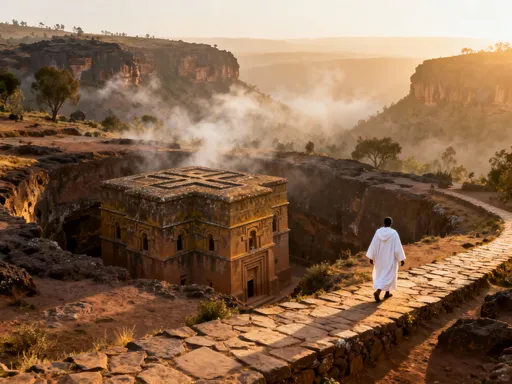
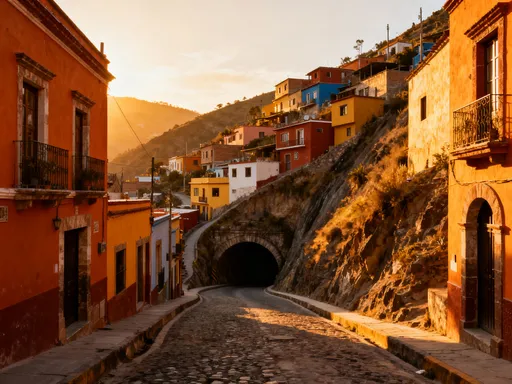
Baucau greets visitors with a quiet dignity, untouched by the clamor of mass tourism. As you descend from the coastal cliffs into the city, the air cools and carries the scent of woodsmoke, damp earth, and the sweet perfume of blooming frangipani. The red-dirt roads glow under the morning sun, and homes built with coral stone and weathered timber stand beside remnants of Portuguese-era architecture — arched windows, crumbling stucco walls, and iron-latticed balconies that speak of another time. Unlike the more visited capital, Dili, Baucau moves at a gentler pace, where life unfolds in open courtyards and shaded verandas.
The city’s layered history is visible in its rhythms. Once a colonial administrative center under Portuguese rule, Baucau absorbed influences from centuries of foreign presence, including the more recent Indonesian period. Yet through it all, Timorese culture has remained resilient, not preserved behind glass but lived daily. Elders speak Tetum with a soft lilt, children run barefoot past church bells, and farmers return from the hills with baskets of cassava and sweet potato. This blend of endurance and continuity gives Baucau its unique soul — not a museum piece, but a breathing, evolving community.
What makes Baucau especially compelling for thoughtful travelers is its authenticity. There are no souvenir shops selling mass-produced trinkets, no guided tours that feel rehearsed. Instead, you’re likely to be invited into a home for coffee, or to sit on a low wooden bench while a grandmother shares stories in broken Portuguese. The lack of commercial tourism infrastructure isn’t a drawback — it’s a gift. It means interactions are genuine, not performative. You don’t witness culture here — you participate in it, even in small ways, simply by being present and respectful.
The Heartbeat of the Market: Where Food Meets Craft
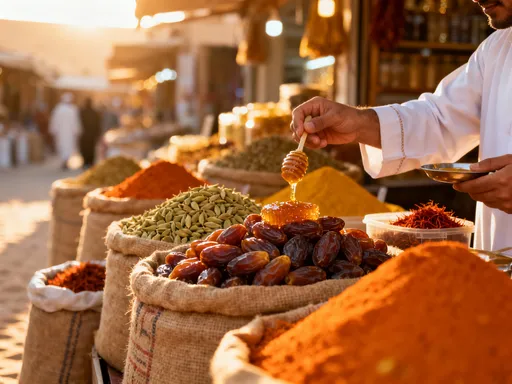
If Baucau has a pulse, it beats strongest in its main market. At dawn, the space comes alive with the rustle of banana leaves, the clink of clay pots, and the chatter of vendors arranging their wares. Baskets overflow with kabuas — a local variety of yam with deep purple flesh — alongside mounds of bright red chilies that look like scattered rubies. Fresh tuna, caught just hours before off the nearby coast, lies glistening on banana-lined trays, its flesh still cool from the sea. The air is thick with the scent of garlic, lemongrass, and roasting coffee — a sensory map of the region’s culinary soul.
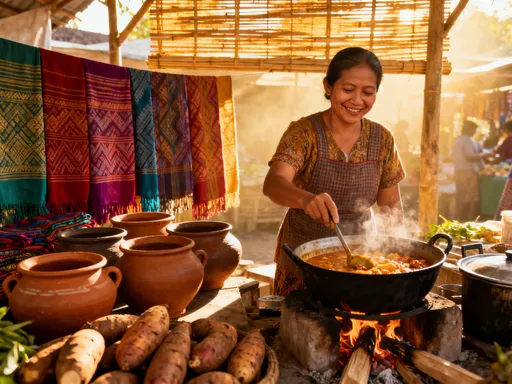
But the market is more than a place to buy food. It’s a living gallery of craftsmanship. Alongside the produce, women display handwoven tais — traditional textiles dyed in rich earth tones and geometric patterns unique to their villages. Each piece tells a story: zigzags for mountain paths, diamonds for rice fields, red for courage. Nearby, artisans sell clay cooking pots shaped by hand, and blacksmiths offer knives forged from recycled metal, their blades honed to a fine edge. These aren’t decorative objects made for tourists — they are tools of daily life, passed down and perfected over generations.
And then there are the food stalls — simple wooden counters shaded by palm thatch, where the real magic happens. Here, you’ll find elderly women stirring pots of simmering stew, their hands moving with practiced ease. A cup of café Timor, strong and dark, is often offered with a smile. As you sip, you might hear two women exchange verses in a traditional call-and-response song, their voices rising above the market hum. These moments aren’t staged — they’re spontaneous expressions of community, where food, music, and craft converge in a rhythm as natural as breathing.
Taste as Tradition: The Stories Behind Baucau’s Dishes
In Baucau, every meal is a story. The flavors are bold but not flashy — grounded in the land, shaped by history, and passed down through generations. One of the most beloved dishes is a local version of feijoada, the Portuguese bean stew reimagined with Timorese ingredients. Here, black beans are slow-cooked with smoked pork, jackfruit, and a generous handful of fiery chilies. It’s served with tukir — mashed taro pounded in a wooden mortar until smooth, then wrapped in banana leaves to keep it warm. The combination is earthy, spicy, and deeply satisfying, a reflection of the island’s ability to absorb outside influences and make them its own.
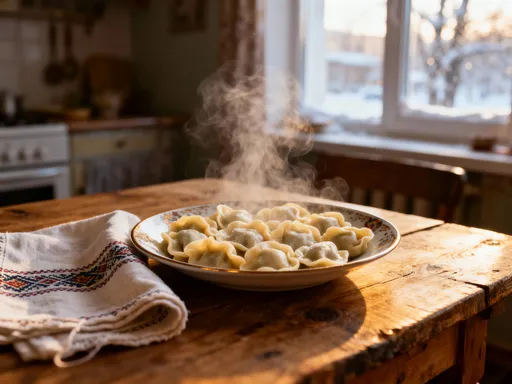
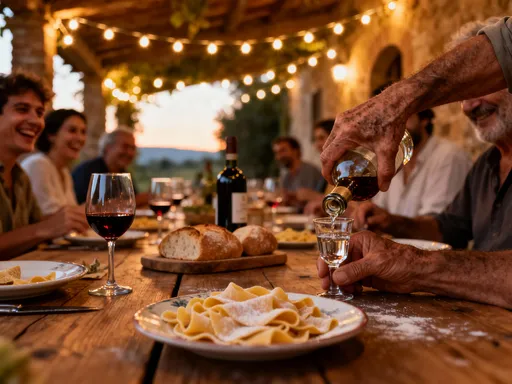
Family kitchens are the heart of this culinary tradition. Most homes still cook over open fires, using three-stone hearths that have changed little in centuries. Grandmothers teach their daughters how to balance flavors — when to add turmeric for warmth, when to fold in coconut milk for richness. Meals are rarely served in courses; instead, everything arrives at once: rice, vegetables, fish or meat, all shared from common bowls. Eating is not a solitary act but a communal one, a moment to pause, connect, and give thanks for what the land has provided.
Seasonal rhythms also shape the menu. During the dry season, families rely more on root crops like yams and cassava, often roasted or boiled. When the rains come, the hillsides turn green, and fresh greens — pumpkin leaves, water spinach, and wild herbs — appear in stews and soups. Fishing communities along the coast celebrate the arrival of certain fish species with small festivals, where entire villages gather to feast. These aren’t grand events with tourist tickets — they’re quiet, heartfelt gatherings where food marks the passage of time and the generosity of nature.
Art That Feeds the Soul: Craftsmanship in Everyday Life
Art in Baucau isn’t confined to galleries or special occasions — it’s woven into the fabric of daily life. Nowhere is this more evident than in the tradition of tais weaving. Women in surrounding villages spend hours twisting threads of cotton and silk, dyeing them with natural pigments from turmeric, coffee grounds, and tree bark. The colors are deep and enduring: ochre from clay, indigo from leaves, crimson from crushed insects. Each pattern carries meaning — a child’s first tais might include symbols of protection, while a wedding cloth could feature motifs of unity and fertility.
These textiles are not just beautiful — they are functional and symbolic. They’re used as baby carriers, ceremonial shawls, and even burial cloths, marking every major life event. In recent years, younger weavers have begun experimenting with new designs, blending traditional symbols with contemporary styles. Yet even as the art evolves, the process remains rooted in community. Women often weave together, sharing stories and songs as their hands move in rhythm. This collective practice ensures that the knowledge is not lost, but lives on through shared experience.
Beyond textiles, art appears in unexpected places. On the walls of schools and community centers, vibrant murals depict scenes of daily life — farmers in the fields, fishermen hauling nets, children dancing in traditional dress. These works are often created by local youth, supported by cultural NGOs that provide paint and training. Similarly, pottery and wood carving remain essential crafts. Potters shape cooking vessels on hand-turned wheels, firing them in open pits. Carvers craft ladles, bowls, and ceremonial masks from hardwoods found in the nearby forests. Each piece is made to be used, not displayed — a philosophy that underscores the Timorese view of art as an extension of life, not separate from it.
Cultural Rhythms: Music, Dance, and Communal Feasts
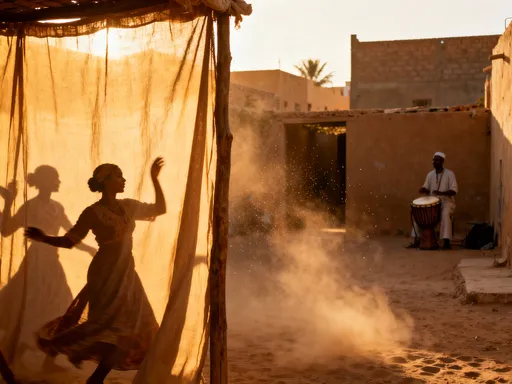
As the sun sets over Baucau’s hills, another form of expression takes center stage: music. In courtyards and village squares, the beat of the dansa drum begins — a steady, pulsing rhythm that calls people together. Bamboo flutes join in, their notes rising like smoke into the night sky. Men and women form circles, stepping in time to the music, their feet kicking up dust. These gatherings are not performances for visitors — they are acts of belonging, ways to honor ancestors, celebrate harvests, or welcome a new season.
Food is always at the heart of these events. For special occasions, a whole pig is roasted in an earth oven — a method known as *tais lele*. Stones are heated in a fire, placed in a pit, and layered with banana leaves and meat. The pit is sealed, and the food steams for hours, emerging tender and fragrant. Rice wine, brewed from fermented maize or rice, is shared in calabash cups, passed from hand to hand. To drink is to participate, to say, “I am part of this moment.”
What’s remarkable is how these traditions remain fluid. While elders uphold the old ways, younger generations are finding new expressions. A traditional dance might be performed with modern instruments. A ceremonial song could be recorded and shared on mobile phones. But the core values — respect, community, gratitude — remain unchanged. This balance between preservation and adaptation is what keeps Baucau’s culture alive, not frozen in time but growing like a tree with deep roots and new branches.
Sustainable Encounters: How Travelers Can Engage Respectfully
For those drawn to Baucau’s authenticity, the question becomes: how to visit without disrupting it? The answer lies in mindful engagement. Rather than seeking out staged cultural shows, look for opportunities to support real community life. Buy tais directly from weavers at the market, or join a home-cooked meal arranged through a local guesthouse. These small acts of reciprocity ensure that tourism benefits residents, not just outside operators.
Photography, too, requires sensitivity. Many tais patterns and ceremonial items carry spiritual significance. Always ask permission before taking photos, and if someone declines, accept it gracefully. When photographing people, take time to introduce yourself, learn a few words in Tetum, and explain why you’re interested. A simple “Boa tarde” and a smile can open doors more than a camera ever could.
The most meaningful experiences often come through community-led initiatives. Some villages offer guided walks that include visits to farms, weaving cooperatives, or traditional salt-making sites. These are not high-profit ventures — they’re modest efforts to share culture on their own terms. By choosing these over commercial tours, travelers help sustain the very authenticity they’ve come to admire. It’s a quiet form of activism — voting with your presence for a tourism model rooted in respect, not extraction.
Why Baucau Stays With You — And How to Carry It Forward
Leaving Baucau, you realize something: you’re not just carrying souvenirs. You’re carrying stories — of a woman weaving by lamplight, of a shared meal under a banyan tree, of a song passed from grandmother to granddaughter. This is the quiet power of slow travel. It doesn’t fill your Instagram feed with checkmarks, but it fills your heart with meaning. In Baucau, culture isn’t something you observe — it’s something you feel, taste, and become part of, even briefly.
What makes this place unforgettable is its wholeness. Food, art, music, and daily life are not separated into categories for tourists to consume. They are intertwined, each enriching the other. A meal is a celebration. A textile is a history. A song is a prayer. There’s no need to “exhibit” culture here because it’s already alive, unfolding in real time. This integration is rare in a world where traditions are often packaged and sold. In Baucau, they’re simply lived.
And so, the journey doesn’t end when you board the plane home. It continues in how you remember, and what you choose to share. You might cook a Timorese-inspired stew for your family, using yams and chilies from your local market. You might tell a friend about tais weaving, or play a recording of dansa music at a gathering. These small acts keep the connection alive. They honor the people who welcomed you, not as a spectator, but as a guest.
In the end, travel is not about how many places you’ve seen, but how deeply you’ve listened. Baucau teaches that true connection comes not from taking, but from giving — your attention, your respect, your gratitude. It invites us to slow down, to be present, and to remember that the richest experiences aren’t found in grand monuments, but in the quiet moments where food, art, and soul meet. Let that be your guide — not just in Timor, but wherever your journey leads.