Why I Switched to Pilates for Recovery—And Never Looked Back
Ever felt stiff, sore, or just “off” after workouts—or even from sitting too much? I did. As a beginner looking to heal my body without harsh exercises, I found Pilates almost by accident. It wasn’t about burning calories; it was about rebuilding movement, alignment, and control. What surprised me most was how quickly I felt stronger, more balanced, and genuinely *recovered*. This is what changed everything for me—and why it might work for you too.
The Hidden Cost of Overexertion
Many people begin fitness journeys with enthusiasm, only to find themselves sore, fatigued, or even injured after a few weeks. This is especially common among beginners who jump into high-impact workouts like running, intense interval training, or heavy weightlifting without proper preparation. While these forms of exercise offer benefits, they can also place significant stress on joints, muscles, and connective tissues—particularly when movement patterns are unbalanced or alignment is overlooked. Over time, repetitive strain and inadequate recovery can lead to chronic discomfort, reduced mobility, and an increased risk of injury.
The issue often lies not in exercising too little, but in exercising without awareness. Many traditional workouts emphasize output—how many reps, how fast, how hard—without focusing on form, control, or how the body is actually responding. This can result in what health professionals call “microtrauma”: tiny tears in muscle fibers or connective tissue that, when not properly healed, accumulate and lead to inflammation, stiffness, and pain. For individuals already dealing with sedentary lifestyles, these effects can be magnified. Sitting for long periods weakens core muscles, shortens hip flexors, and rounds the shoulders, creating postural imbalances that make high-impact movement even riskier.
This is where Pilates stands apart. Unlike aggressive training methods, Pilates prioritizes quality over quantity. It is inherently low-impact, meaning it does not rely on jumping, pounding, or rapid forceful movements that can aggravate joints or inflame tissues. Instead, it focuses on precision, controlled motion, and muscular coordination. By retraining the body to move with proper alignment and engagement, Pilates reduces the strain on vulnerable areas like the lower back, knees, and neck. It acts as both a corrective and preventive practice, helping individuals recover from existing discomfort while building resilience against future strain.
What Pilates Really Is (And Isn’t)
Pilates is a comprehensive mind-body exercise system developed in the early 20th century by Joseph Pilates, a German physical trainer who believed that physical and mental health were deeply interconnected. Originally called “Contrology,” the method emphasizes core strength, spinal alignment, breath control, and mindful movement. Each exercise is designed to promote stability, flexibility, and neuromuscular efficiency. Though it is now widely used in fitness and rehabilitation settings, its foundational principles remain rooted in restoring balanced function to the body.
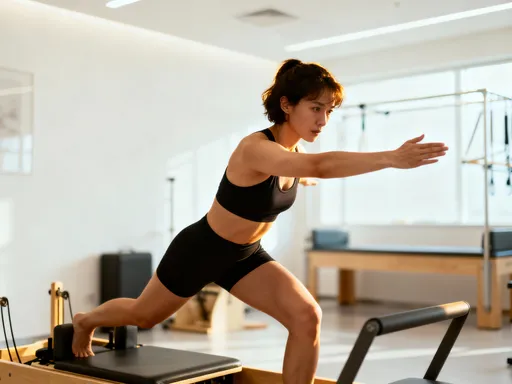
Despite its growing popularity, Pilates is often misunderstood. Some believe it is merely a form of stretching or gentle movement with limited physical benefit. Others confuse it with yoga, assuming the two are interchangeable. While both practices share an emphasis on breath and body awareness, they differ significantly in technique and intent. Yoga often focuses on flexibility, meditation, and holding static poses, while Pilates centers on dynamic control, muscular endurance, and precise motor patterning. Pilates exercises are typically performed in sequences that challenge stability and coordination, often using specialized equipment like reformers, but also effective when practiced on a mat.
Another common misconception is that Pilates is only for women, older adults, or people recovering from injury. In reality, the practice was originally developed for rehabilitation but quickly gained popularity among dancers, athletes, and military personnel due to its effectiveness in building functional strength and preventing injury. Today, it is used by professional sports teams, physical therapists, and fitness enthusiasts of all genders and ages. Its adaptability makes it accessible to beginners while still offering progressive challenges for advanced practitioners. Far from being a passive activity, Pilates demands focus, discipline, and engagement—qualities that contribute directly to long-term physical recovery and resilience.
Why Pilates Works for Body Recovery
The effectiveness of Pilates in supporting recovery lies in its ability to address the root causes of physical discomfort rather than just treating symptoms. One of the primary ways it does this is by improving circulation. Controlled, rhythmic movements combined with coordinated breathing enhance blood flow to muscles and tissues, delivering oxygen and nutrients while helping remove metabolic waste products that contribute to soreness and inflammation. This natural detoxification process supports faster healing and reduces the lingering fatigue often associated with overexertion.
Additionally, Pilates plays a crucial role in correcting muscular imbalances. Most people do not use their bodies symmetrically—habits like sitting on one side more, carrying bags on the same shoulder, or favoring one leg when standing can lead to uneven muscle development. These imbalances place uneven stress on joints and the spine, increasing the likelihood of pain and injury. Pilates exercises are designed to activate underused muscles—particularly deep stabilizers like the transverse abdominis, pelvic floor, and multifidus—while calming overactive or compensating muscles. This rebalancing act restores optimal alignment and reduces strain on overworked areas.
Equally important is the neuromuscular re-education that Pilates promotes. After injury or prolonged inactivity, the brain-body connection can weaken, leading to poor coordination and inefficient movement patterns. Pilates retrains this connection by requiring focused attention on each movement. Practitioners learn to engage specific muscles with intention, improving proprioception—the body’s ability to sense its position in space. This heightened awareness not only supports recovery but also helps prevent re-injury by enabling individuals to recognize and correct poor posture or movement habits in daily life. Over time, this mind-body integration fosters a more responsive, resilient body.
Starting Out: A Beginner’s Real Experience
For many, the first Pilates class can feel surprisingly challenging, even if the movements appear simple. Unlike high-energy workouts that rely on momentum, Pilates requires slow, deliberate effort. Beginners often report feeling awkward or unsure, especially when asked to isolate muscles they didn’t know they had. Common struggles include difficulty engaging the core, misunderstanding verbal cues from instructors, or feeling too stiff to perform basic movements with full range. These experiences are entirely normal and part of the learning process.
One of the most common entry points is attending a beginner mat class at a local studio or community center. These classes typically introduce foundational movements and emphasize proper form. Alternatively, many people begin with online videos, which offer convenience and privacy. While self-guided practice can be effective, working with a certified instructor—even just a few times—can significantly improve technique and prevent the development of compensatory habits. A skilled teacher can provide hands-on adjustments, clarify cues, and tailor exercises to individual needs, making the learning curve less steep.
Despite the initial challenges, many beginners notice positive changes within just a few sessions. Improved sleep is one of the most frequently reported benefits. The focus on breath and relaxation activates the parasympathetic nervous system, helping the body transition out of “fight-or-flight” mode and into rest-and-digest state. This shift not only enhances recovery but also supports overall well-being. Many also report reduced tension in the lower back, hips, and shoulders—areas commonly affected by daily sitting and stress. As posture improves and movement becomes more efficient, everyday activities like bending, lifting, and walking feel easier and less painful.
Key Movements That Aid Recovery
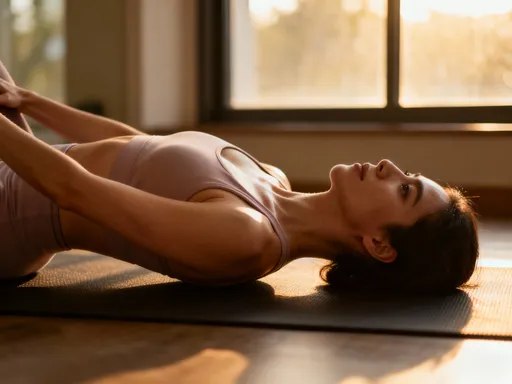
Several foundational Pilates exercises are particularly effective in supporting physical recovery. One of the most iconic is The Hundred, a core-activating exercise that combines rhythmic breathing with sustained abdominal engagement. Lying on the back with legs in a tabletop or extended position, the practitioner lifts the head and shoulders while pumping the arms up and down in small, controlled movements. This exercise warms up the body, increases circulation, and strengthens the deep core muscles essential for spinal support. For beginners, modifications such as keeping the head down or bending the knees can make it more accessible.
Another essential movement is the Pelvic Curl, which gently mobilizes the spine while activating the glutes and hamstrings. Lying on the back with knees bent and feet flat on the floor, the individual slowly lifts the pelvis one vertebra at a time, creating a bridge-like shape. This movement decompresses the lower back, improves pelvic alignment, and enhances awareness of spinal articulation. It is especially beneficial for those with tight hip flexors or lower back discomfort caused by prolonged sitting.
The Spine Stretch is another valuable exercise for improving flexibility and posture. Seated with legs extended, the practitioner inhales to lengthen the spine and then exhales to curl forward from the head, reaching toward the toes. This movement emphasizes sequential spinal flexion, helping to release tension in the back and shoulders while promoting better posture. It also enhances breath capacity by opening the ribcage and stretching the intercostal muscles.
Other recovery-focused exercises include the Single Leg Stretch, which coordinates core control with limb movement, and the Roll-Up, which promotes full spinal articulation and hamstring flexibility. Each of these movements is designed to be performed with control and precision, ensuring that the body is retrained rather than strained. Practitioners are encouraged to focus on alignment, breath, and muscle engagement rather than speed or repetition count, reinforcing the principle that recovery is a mindful process.
Building a Sustainable Routine
One of the greatest strengths of Pilates is its adaptability to different lifestyles and fitness levels. For recovery purposes, a consistent but moderate routine is more effective than sporadic, intense sessions. Most experts recommend practicing Pilates two to three times per week, with each session lasting between 20 and 30 minutes. This frequency allows the body to integrate new movement patterns without overloading tissues, supporting steady progress without burnout.
Integrating Pilates into an existing fitness regimen is straightforward. It pairs well with low-impact activities like walking or swimming, and can serve as an excellent warm-up or cool-down for strength training. On rest days, a short Pilates session can enhance recovery by increasing blood flow and reducing muscle stiffness. The key is to view Pilates not as an isolated workout, but as a complementary practice that enhances overall physical function.
Sustainability also depends on listening to the body. Unlike high-intensity training that often encourages pushing through discomfort, Pilates teaches practitioners to honor their limits. Sensations of stretching or muscle engagement are expected, but sharp pain or strain is not. By tuning into subtle signals—such as tension in the neck or shallow breathing—individuals can adjust their movements to stay within a safe and effective range. This self-awareness fosters a healthier relationship with exercise, one based on care rather than punishment.
Over time, consistency yields cumulative benefits. Even short daily sessions can lead to noticeable improvements in posture, balance, and ease of movement. The goal is not perfection, but progress—learning to move with greater control, awareness, and confidence. As this practice becomes routine, it transforms from a recovery tool into a lifelong habit of mindful movement.
Long-Term Gains Beyond Recovery
While Pilates is often adopted for its restorative benefits, its long-term impact extends far beyond initial recovery. Regular practitioners frequently report lasting improvements in posture, balance, and body awareness. These changes are not just aesthetic; they translate into real, everyday benefits. Standing taller reduces strain on the spine. Improved balance lowers the risk of falls. Greater coordination makes daily tasks—carrying groceries, climbing stairs, playing with children—easier and safer.
Perhaps most importantly, Pilates fosters a deeper connection between mind and body. This awareness helps individuals recognize early signs of tension or misalignment, allowing them to make adjustments before discomfort becomes pain. It also builds confidence in movement, reducing fear of physical activity—a common barrier for those recovering from injury. Over time, this confidence encourages more active lifestyles, creating a positive feedback loop of health and vitality.
Additionally, the discipline of Pilates cultivates resilience. By learning to move with control and intention, individuals develop a body that is not only stronger but also more adaptable. This adaptability is crucial as people age, when maintaining mobility and independence becomes increasingly important. Pilates supports joint health, muscular endurance, and postural integrity, all of which contribute to long-term well-being. It is not a quick fix, but a sustainable practice that evolves with the individual, offering benefits at every stage of life.
Pilates isn’t a quick fix—it’s a reset. For anyone rebuilding strength, seeking relief, or simply wanting to move better, it offers a gentle yet powerful path. The real magic isn’t in dramatic transformations, but in daily progress. By tuning in instead of pushing through, recovery becomes not just possible, but natural.