How Acupuncture and Massage Quietly Transformed My Daily Life
For years, I dismissed acupuncture and massage as temporary fixes—until chronic tension and low energy pushed me to look deeper. What I found wasn’t magic, but science: studies show these therapies can regulate stress hormones, improve circulation, and support nervous system balance. This isn’t about cures—it’s about real, measurable shifts in how you feel day to day. I started small, stayed skeptical, and was surprised by the results. Over time, what began as an experiment became a quiet foundation for a more grounded, resilient life. These practices didn’t erase challenges, but they changed how my body responded to them.
The Hidden Cost of Daily Stress
Modern life is built on constant motion—commutes, screens, deadlines, caregiving, and the unspoken pressure to keep up. While these demands rarely feel urgent, their cumulative effect is profound. The body doesn’t distinguish between emotional strain and physical injury; both trigger the same stress response. Cortisol, the hormone released during periods of pressure, is helpful in short bursts but damaging when elevated for days or weeks at a time. Chronic elevation contributes to muscle tightness, disrupted sleep, and a lowered threshold for pain. Many women in their 30s to 50s recognize this pattern: waking up with stiff shoulders, feeling drained by midday, or struggling to unwind at night despite being exhausted.
Posture plays a silent but significant role. Hours spent at a desk or looking down at a phone create sustained muscle imbalances, particularly in the neck, upper back, and hips. The body adapts by tightening certain muscle groups to compensate, leading to what clinicians call “guarding”—a protective tension that becomes habitual. Over time, this low-grade contraction restricts blood flow, reduces oxygen delivery to tissues, and contributes to persistent discomfort. Sleep quality often declines in parallel, as the nervous system remains in a state of low-level alertness. This isn’t illness in the traditional sense, but it erodes vitality—the quiet foundation of well-being.
Conventional approaches often focus on isolated symptoms: painkillers for headaches, sleeping pills for insomnia, or stretching routines that offer only temporary relief. While these can be helpful, they rarely address the integrated nature of the body’s response to ongoing stress. The musculoskeletal system, nervous system, and hormonal environment are deeply interconnected. A solution that only targets one piece may miss the larger picture. This realization was the first step toward exploring more holistic options—approaches that work with the body’s natural regulatory systems rather than against them.
Why I Gave Acupuncture a Real Chance
The decision to try acupuncture didn’t come from a crisis, but from a slow accumulation of discomfort. I wasn’t injured, but I was rarely comfortable. Mornings began with a dull ache across the shoulders, and by evening, a tight band of tension wrapped around my temples. Over-the-counter remedies provided fleeting relief, but the cycle repeated daily. I had read about acupuncture, but my understanding was shaped by misconceptions—images of needles and pain, or the idea that it was purely placebo-driven. It wasn’t until a trusted physical therapist mentioned its role in pain modulation that I considered giving it a fair trial.
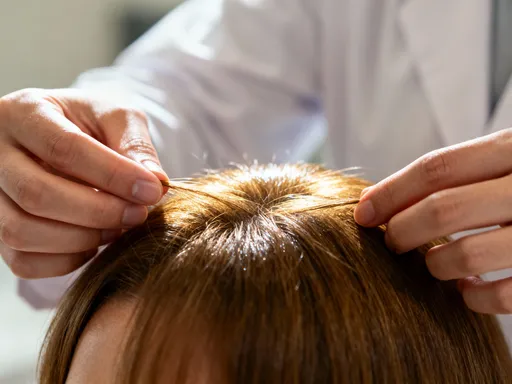
My first session was nothing like I expected. The acupuncturist began with a detailed conversation about my sleep, digestion, energy levels, and emotional state—factors I hadn’t realized were connected to physical tension. The needles used were extremely fine, about the thickness of a human hair, and their insertion was barely noticeable. Most were placed along the back, shoulders, and lower legs, with a few on the hands and ears. After the needles were in place, I rested quietly for 20 to 30 minutes. What stood out most was the shift in my breathing—deeper, slower, more rhythmic—followed by a sense of mental quiet that I hadn’t experienced in years.
Later, I researched what might explain the experience. Peer-reviewed studies indicate that acupuncture stimulates the release of endorphins, the body’s natural pain-relieving chemicals, and influences the autonomic nervous system by enhancing vagal tone—the branch responsible for rest and digestion. This helps shift the body out of “fight-or-flight” mode and into a state of calm alertness. It doesn’t erase stress, but it recalibrates the body’s response to it. I wasn’t looking for a miracle, but the evidence suggested a plausible mechanism, one grounded in physiology rather than mysticism. That knowledge made it easier to continue, not as a last resort, but as a reasonable part of a health strategy.
How Massage Became More Than Just Relaxation
Like many, I once associated massage with luxury—something reserved for vacations or special occasions. But as I learned more, I realized its therapeutic potential extended far beyond momentary comfort. Chronic muscle tension, especially in the trapezius, neck, and lower back, isn’t just uncomfortable; it can alter movement patterns, reduce joint mobility, and contribute to fatigue. When muscles remain tight for long periods, they develop areas of increased density known as trigger points, which can refer pain to other parts of the body. For those with desk-bound routines, this often manifests as headaches, jaw tightness, or even arm numbness.
Therapeutic massage, particularly techniques like myofascial release and deep tissue work, targets these areas with precision. Unlike a general relaxation massage, clinical sessions focus on restoring balance to the connective tissue that surrounds muscles—fascia. When fascia becomes restricted due to injury, inflammation, or prolonged poor posture, it can bind down and limit movement. Skilled massage helps release these adhesions, improving blood flow and allowing muscles to return to their natural length and function. Research has shown that regular massage can reduce levels of cortisol while increasing serotonin and dopamine—neurochemicals linked to mood regulation and well-being.
Another benefit, less discussed but equally important, is enhanced interoception—the body’s ability to sense its internal state. Many people lose touch with physical signals until discomfort becomes severe. Massage reawakens this awareness, helping individuals recognize tension earlier and respond before it escalates. Over time, this subtle shift supports better self-regulation. It’s not about achieving a perfect posture or eliminating all stress, but about developing a more responsive, attuned relationship with one’s body. For women managing households, careers, and family needs, this kind of awareness can be transformative—not because it adds more to do, but because it improves how existing demands are carried.
The Science Behind the Sensations
What makes acupuncture and massage effective isn’t mystery, but measurable physiology. During an acupuncture session, the placement of needles at specific points—often where nerves, blood vessels, and connective tissue converge—triggers a cascade of biological responses. Functional MRI studies have shown that acupuncture activates regions of the brain involved in pain processing and emotional regulation. One of the most well-documented effects is the increase in endorphin and enkephalin levels, which naturally modulate pain perception. Additionally, stimulation of certain points has been shown to enhance vagal nerve activity, which promotes a shift from sympathetic (aroused) to parasympathetic (calm) dominance in the nervous system.
Massage, too, produces quantifiable changes. Studies measuring biomarkers before and after sessions have found consistent reductions in pro-inflammatory cytokines such as TNF-α and IL-6—molecules associated with chronic inflammation and pain. At the same time, levels of oxytocin, a hormone linked to bonding and stress reduction, rise. These changes are not fleeting; a 2014 study published in the Journal of Alternative and Complementary Medicine found that participants receiving regular massage over ten weeks reported sustained improvements in pain, fatigue, and sleep quality, with biomarker shifts supporting the subjective reports.
Another key mechanism is the normalization of muscle tone. Electromyography (EMG) readings show that hypertonic muscles—those in a state of excessive contraction—exhibit high electrical activity at rest. After massage therapy, this activity decreases, indicating a return to baseline. This is particularly relevant for individuals with tension-related headaches or jaw pain, where overactive muscles contribute directly to symptoms. The science confirms what many practitioners have observed clinically: these therapies don’t just make people feel better temporarily—they support lasting physiological balance.
Building a Routine That Fits Real Life
The most important lesson I learned was that consistency matters more than intensity. I didn’t need weekly hour-long sessions or dramatic lifestyle changes to see results. Instead, a sustainable rhythm made the difference. I began with biweekly acupuncture appointments and monthly therapeutic massage, adjusting based on how my body responded. During busy or stressful periods, I increased frequency slightly; during calmer times, I maintained a baseline. This flexible but regular approach prevented tension from building to a point where relief was harder to achieve.
I also incorporated simple self-care tools at home. A foam roller helped release tightness in the upper back and hips, while a handheld massager provided quick relief for shoulder tension. Gentle stretching, particularly after a warm shower, enhanced the benefits of professional sessions. I started paying attention to small indicators—how easily I could turn my head in the morning, whether I woke up feeling rested, or if I reached for pain relievers less often. These subtle markers became more meaningful than any dramatic transformation.
Tracking progress helped maintain motivation. I didn’t expect overnight changes, but over three months, I noticed improvements in sleep continuity, mental clarity, and emotional resilience. I was less reactive to minor stressors—delays, disagreements, unexpected tasks—and recovered more quickly when tension did arise. This wasn’t about achieving perfection, but about creating a more stable baseline. For women juggling multiple roles, this kind of incremental improvement can have an outsized impact. It’s not about adding another demand, but about investing in the capacity to meet existing ones with greater ease.
When to Seek Professional Guidance
While acupuncture and massage offer significant support, they are not substitutes for medical evaluation. Certain symptoms require prompt attention from a licensed physician. These include sudden or worsening pain, numbness or tingling that radiates down an arm or leg, loss of strength, or changes in bowel or bladder function. These could indicate underlying neurological or structural issues that need diagnostic imaging or specialized care. Similarly, persistent headaches that change in pattern or intensity should be assessed by a healthcare provider to rule out other causes.
It’s also essential to work with qualified practitioners. Licensed acupuncturists typically complete three to four years of graduate-level training and pass national certification exams. Massage therapists should be licensed or certified according to state regulations and have training in clinical, not just spa, techniques. A good practitioner will take a thorough health history, ask about current symptoms, and adjust treatment based on individual needs. They will also communicate openly about what to expect and encourage questions.
Personalization is key. What works for one person may not work for another. Some may respond better to gentler forms of acupuncture, such as acupressure or electroacupuncture, while others benefit more from deeper massage techniques. A skilled provider will assess your condition and tailor the approach accordingly. The goal is not a one-size-fits-all solution, but a collaborative process that respects your body’s unique responses and health history.
A Better Normal: Redefining Daily Well-Being
Looking back, the most meaningful changes weren’t dramatic breakthroughs, but a quiet shift in daily experience. Tension headaches became less frequent. I slept more soundly and woke with greater ease. My mood felt steadier, not because life had become simpler, but because my body was better equipped to handle its rhythms. Acupuncture and massage didn’t solve every challenge, but they changed my baseline—like adjusting the thermostat in a room that had been too hot for years.
These practices helped me redefine what well-being means. It’s not about eliminating stress or achieving constant comfort, but about building resilience—the ability to absorb strain without breaking. In this sense, self-care isn’t indulgence; it’s preventive science. Just as we maintain our cars or homes to avoid costly repairs, caring for the body’s nervous and musculoskeletal systems can prevent minor imbalances from becoming chronic issues.
For women navigating the complex demands of midlife, this approach offers a quiet but powerful form of empowerment. It’s not about adding more to the list, but about enhancing the capacity to carry what’s already there. By integrating evidence-based therapies like acupuncture and massage into regular life, we invest not in luxury, but in functional health—the kind that shows up in how we move, think, and feel from day to day. The transformation isn’t loud, but it’s real. And sometimes, the quietest changes are the ones that last the longest.