What Real Hair Health Looks Like: Breaking Down the Standards No One Talks About
We all want shiny, strong hair, but true hair health goes way beyond looks. It’s about scalp balance, growth cycles, and daily habits that actually support long-term vitality. I used to chase quick fixes—until I learned what science-backed hair care really means. This isn’t about trends; it’s about meeting real health standards. Let’s explore what healthy hair truly requires, from inside out.
The Myth of “Perfect” Hair
Society often equates beautiful hair with health, but the two are not always the same. Many women spend time and money trying to achieve what they believe is “perfect” hair—thick, glossy, and effortlessly styled—only to overlook the actual condition of their scalp and hair follicles. The truth is, appearance can be deceiving. A smooth, shiny strand may still be fragile, prone to breakage, or resting on an inflamed scalp. These hidden issues are rarely visible in a mirror, yet they determine the long-term strength and resilience of hair.
The rise of social media has intensified this confusion. Filtered photos, professional lighting, and digital enhancements create unrealistic expectations. Influencers often promote expensive serums or elaborate routines that promise dramatic transformations. However, these regimens may not be based on medical evidence and can sometimes do more harm than good. For example, overuse of protein treatments or silicones can lead to buildup and brittleness, especially when not properly balanced with moisture. The pressure to conform to a narrow beauty ideal distracts from the real goal: maintaining a healthy growth environment for hair.
Comparing one’s hair to curated online images can lead to unnecessary stress and dissatisfaction. It’s important to remember that hair texture, growth patterns, and density vary widely due to genetics, age, and hormonal changes. What works for one person may not work for another. Instead of chasing perfection, the focus should shift toward understanding individual needs and supporting the biological processes that sustain healthy hair. This means moving beyond surface-level fixes and embracing a more informed, compassionate approach to hair care.
What Exactly Is Hair Health? (The Science Made Simple)
Real hair health is not defined by length or style, but by measurable biological factors. Trichologists and dermatologists assess hair health through several key indicators: the growth phase of the hair cycle, hair density, rate of breakage, and scalp condition. Each strand of hair goes through a cycle that includes the anagen (growth) phase, catagen (transition), and telogen (resting and shedding) phase. A healthy scalp maintains a balanced cycle, with most hairs in the growth phase at any given time. Disruptions to this cycle—caused by stress, illness, or hormonal shifts—can lead to thinning or increased shedding.
Hair density refers to the number of hair follicles per square centimeter on the scalp. While genetics largely determine this number, certain conditions such as androgenetic alopecia can reduce it over time. Breakage rate is another critical factor. Even if hair is growing, excessive splitting or snapping along the shaft indicates structural weakness. This is often due to chemical processing, heat damage, or lack of proper hydration. A healthy strand should be elastic enough to stretch slightly without breaking and strong enough to withstand daily grooming.
The scalp, often overlooked, plays a central role in hair health. It is living skin, complete with sebaceous glands, blood vessels, and a delicate microbiome. Sebum, the natural oil produced by the scalp, helps protect and lubricate hair. However, too much or too little sebum can create problems—oiliness or dryness, flaking, and irritation. The scalp’s pH balance, typically slightly acidic (around 4.5 to 5.5), helps defend against bacteria and fungi. When this balance is disrupted by harsh shampoos or environmental factors, inflammation can occur, impairing follicle function. Maintaining a stable scalp environment is essential for sustained hair growth.
Hidden Daily Habits That Undermine Hair Health
Many common hair care practices, though well-intentioned, can quietly damage hair over time. Overwashing is one of the most widespread issues. While cleanliness is important, washing hair too frequently—especially with strong detergents—strips away natural oils, leading to dryness and brittleness. This forces the scalp to overproduce oil in compensation, creating a cycle of greasiness and dry ends. For many women, washing two to three times a week is sufficient, depending on hair type and lifestyle.
Heat styling tools such as flat irons, curling wands, and blow dryers are also major contributors to hair damage. High temperatures weaken the protein structure of hair, particularly keratin, making strands more prone to breakage and split ends. Repeated exposure to heat without proper protection can cause irreversible damage. Using a heat protectant and limiting styling to lower temperatures (below 350°F) can help reduce this risk. Air drying when possible and using microfiber towels instead of rough terrycloth can also minimize mechanical stress on wet hair, which is more vulnerable to stretching and snapping.
Tight hairstyles like high ponytails, braids, or buns may look polished, but they exert constant tension on the hair follicles. Over time, this can lead to traction alopecia, a form of hair loss caused by prolonged pulling. This condition often starts at the hairline and can become permanent if not addressed early. Looser styles, protective updos without excessive pulling, and rotating hairstyle choices can help prevent this damage. Additionally, using soft hair ties instead of elastic bands reduces friction and breakage.
Stress and sleep are often underestimated factors in hair health. Chronic stress can trigger a condition called telogen effluvium, where a large number of hair follicles prematurely enter the resting phase, leading to noticeable shedding several months later. This type of hair loss is usually temporary but can be alarming. Similarly, poor sleep disrupts hormone regulation and impairs the body’s ability to repair tissues, including hair follicles. Prioritizing rest and managing stress through mindfulness, exercise, or counseling supports not only mental well-being but also physical hair health.
Nutritional gaps are another silent threat. Even women who eat balanced diets may lack key nutrients essential for hair. For example, low iron stores—especially in menstruating women—can contribute to hair thinning. Vitamin D deficiency, common in areas with limited sunlight, has also been linked to hair cycle disruptions. These deficiencies may not cause immediate symptoms, but over time, they compromise the body’s ability to sustain healthy hair growth. A varied, nutrient-rich diet is foundational, but in some cases, medical testing and targeted supplementation under professional guidance may be necessary.
Nutrition: The Foundation Most People Skip
While topical treatments get much of the attention, nutrition is the cornerstone of strong, resilient hair. Hair is primarily made of keratin, a protein that requires a steady supply of amino acids to build and repair. Without adequate dietary protein, the body may prioritize other vital functions over hair growth, leading to slower growth or increased shedding. Including high-quality protein sources such as eggs, lean meats, legumes, and dairy in daily meals supports continuous keratin production.
Iron is another critical nutrient, especially for women. It plays a key role in carrying oxygen to hair follicles via red blood cells. Low iron levels, even without full-blown anemia, can impair follicle function and trigger hair loss. Foods rich in heme iron—such as red meat, poultry, and fish—are more easily absorbed than non-heme iron from plant sources. Pairing plant-based iron sources like spinach or lentils with vitamin C-rich foods (such as citrus or bell peppers) enhances absorption. Regular blood tests can help monitor iron status, particularly for women with heavy menstrual cycles.
Zinc is involved in DNA and protein synthesis, both essential for hair growth. A deficiency can lead to hair thinning and poor wound healing. Oysters, beef, pumpkin seeds, and chickpeas are excellent sources. However, excessive zinc intake can interfere with copper absorption and cause adverse effects, so supplementation should only be considered with medical advice. Biotin, often marketed as a “hair growth vitamin,” does support keratin infrastructure, but most people get enough from their diet. Deficiencies are rare and typically occur only in specific medical conditions. Foods like eggs, nuts, and whole grains naturally provide biotin.
Omega-3 fatty acids, found in fatty fish, flaxseeds, and walnuts, help nourish the scalp and reduce inflammation. They contribute to scalp hydration and may improve hair elasticity. Antioxidant-rich foods such as berries, leafy greens, and sweet potatoes protect hair follicles from oxidative stress caused by environmental factors like pollution and UV exposure. Staying hydrated is also important—water supports overall cellular function, including the cells responsible for hair growth.
While supplements are widely available, they are not a substitute for a balanced diet. In fact, taking high-dose supplements without a diagnosed deficiency can lead to imbalances or even toxicity. For example, too much vitamin A has been associated with hair loss. The best approach is to focus on whole foods and consult a healthcare provider before starting any supplement regimen. A registered dietitian can help identify nutritional gaps and create a personalized eating plan that supports long-term hair health.
Your Scalp Is Skin Too: Why It Deserves Real Care
The scalp is an extension of the skin on the face, yet it often receives less attention in daily care routines. Just like facial skin, the scalp can suffer from dryness, oiliness, inflammation, and sensitivity. Conditions like dandruff, seborrheic dermatitis, or scalp psoriasis are not just cosmetic concerns—they can interfere with healthy hair growth by clogging follicles or causing chronic irritation. Flakes, itching, and redness are signs that the scalp’s natural balance is disrupted and require gentle, consistent care.
Choosing the right cleanser is essential. Sulfate-free shampoos are often gentler and less likely to strip natural oils, making them suitable for dry or sensitive scalps. However, those with oily scalps or buildup may benefit from occasional use of clarifying shampoos, used no more than once a week to avoid over-drying. Ingredients like salicylic acid, pyrithione zinc, or ketoconazole can help manage flaking and fungal overgrowth, but should be used as directed to prevent irritation. Regular exfoliation—either through physical scrubs or chemical exfoliants—can remove dead skin cells and product residue, promoting a cleaner environment for hair growth.
Oils are a popular part of scalp care, but their use should be strategic. Coconut oil has been studied for its ability to penetrate the hair shaft and reduce protein loss, making it beneficial when applied before washing. Jojoba oil closely resembles human sebum and can help regulate scalp moisture without clogging pores. Argan oil is rich in antioxidants and is often used to add shine and protect against heat damage. However, applying oils too frequently or in excess can lead to buildup, especially for fine or oily hair types. It’s best to use oils sparingly, focusing on the mid-lengths and ends if the scalp is already oily.
Maintaining scalp health also involves avoiding irritants. Fragranced products, alcohol-based tonics, and harsh dyes can trigger sensitivity or allergic reactions. Patch testing new products and introducing them gradually can help prevent adverse effects. Additionally, keeping the scalp clean from sweat, pollution, and styling products supports a healthy microbiome—the community of beneficial bacteria that protects against harmful microbes. A balanced scalp environment fosters stronger, more resilient hair growth over time.
When to Seek Help: Recognizing Warning Signs
Some degree of hair shedding is normal—most people lose between 50 and 100 strands per day as part of the natural cycle. However, when shedding increases noticeably, or when thinning becomes visible, it may signal an underlying issue. Sudden hair loss, widening part lines, or bald patches are not something to ignore. These changes can be signs of hormonal imbalances such as thyroid disorders, polycystic ovary syndrome (PCOS), or postpartum shifts. Autoimmune conditions like alopecia areata cause the immune system to attack hair follicles, leading to patchy or complete hair loss.
Other warning signs include brittle hair that breaks easily, a scalp that is persistently itchy or inflamed, or changes in hair texture—such as hair becoming finer or more sparse over time. Scalp pain or tenderness, especially when combing or styling, may indicate inflammation or nerve sensitivity. These symptoms should not be self-diagnosed or treated with over-the-counter products alone. While some hair loss is temporary and resolves on its own, persistent issues require professional evaluation.
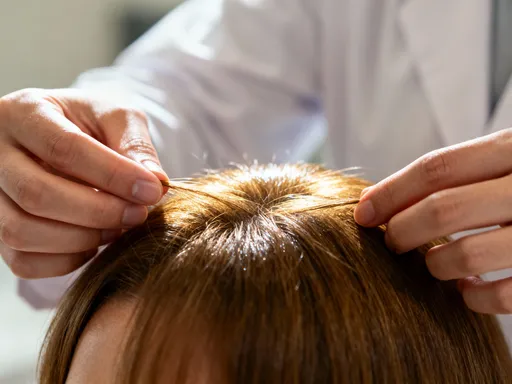
Dermatologists and trichologists are trained to diagnose the root cause of hair concerns. They may perform blood tests to check hormone levels, iron, vitamin D, and thyroid function. A scalp examination using a dermoscope allows them to assess follicle health and detect signs of scarring or inflammation. In some cases, a biopsy may be needed to confirm a diagnosis. Early intervention can prevent further loss and improve the chances of regrowth. Unlike self-treatment, which often involves trial and error, professional care is based on accurate diagnosis and evidence-based treatment plans.
It’s also important to consider medications and medical treatments as possible contributors. Certain drugs used for blood pressure, depression, or arthritis can list hair loss as a side effect. Chemotherapy is well known for causing temporary hair loss, but other treatments may have subtler effects. If you suspect a medication is affecting your hair, do not stop taking it—instead, consult your doctor to discuss alternatives or adjustments. The goal is to address the cause safely and effectively, without compromising overall health.
Building a Sustainable Hair Care Routine That Works
Creating a lasting hair care routine starts with assessment. Take time to observe your hair and scalp honestly. Is your scalp dry or oily? Does your hair tangle easily or feel weak? Are you noticing more shedding than usual? Understanding your starting point helps you choose the right products and habits. There is no one-size-fits-all routine—what works for curly hair may not suit straight hair, and someone living in a humid climate may need different care than someone in a dry environment.
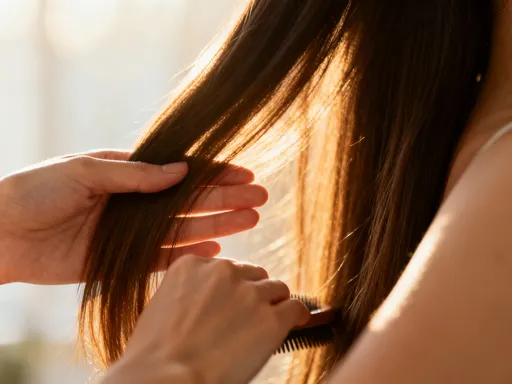
The next step is protection. Minimize damage by reducing heat styling, avoiding tight hairstyles, and using protective styles when possible. Wear hats or scarves in strong sun to shield hair from UV damage. When brushing, use a wide-tooth comb on wet hair and a soft-bristled brush on dry hair to prevent breakage. Silk or satin pillowcases reduce friction during sleep, helping to prevent split ends and tangles.
Nourishment comes from both internal and external sources. Eat a balanced diet rich in protein, iron, and essential fats. Drink plenty of water and manage stress through regular activity and adequate sleep. Choose hair care products with simple, effective ingredients—look for moisturizing agents like glycerin or shea butter, and avoid harsh sulfates or alcohols if your scalp is sensitive. Deep conditioning treatments once a week can restore moisture, especially for chemically treated or dry hair.
Finally, monitoring your progress is key. Take photos monthly to track changes in thickness, texture, or growth. Keep a simple journal noting any changes in routine, diet, or stress levels. This helps identify patterns and adjust your approach as needed. Remember, hair grows slowly—about half an inch per month—so results take time. Consistency matters more than perfection. Small, sustainable changes add up over weeks and months, leading to stronger, healthier hair.
A long-term mindset shifts the focus from quick fixes to lasting wellness. Trends come and go, but science-backed habits endure. By aligning your routine with your body’s natural needs, you build resilience from within. Healthy hair is not about achieving an impossible standard—it’s about feeling confident in your own skin and caring for your body with intention and knowledge.